NOTE
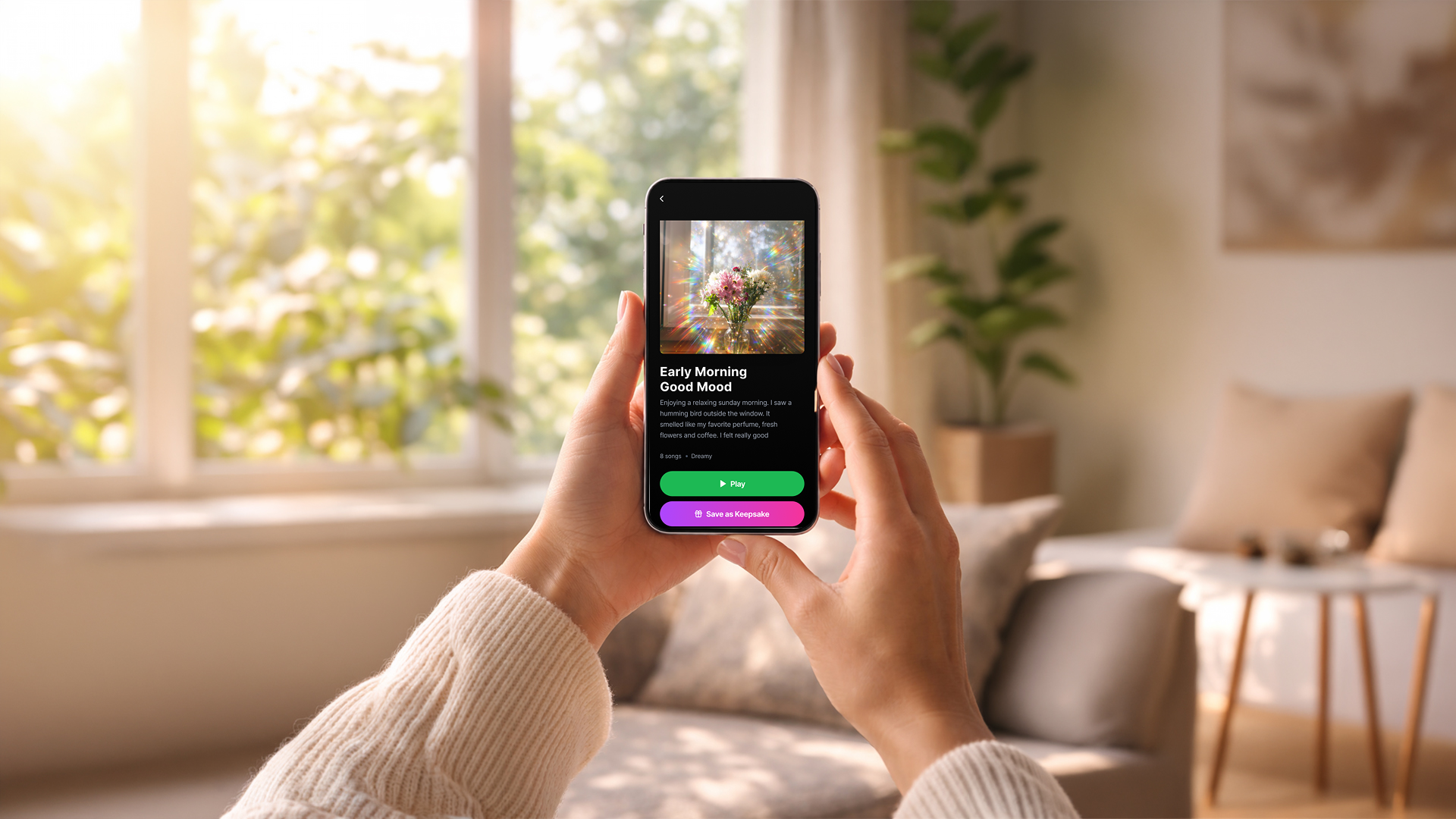
A multi sensory experience
Designing for Memory through Scent, Sound and Light
NOTE is a multi-sensory product concept designed to help people preserve and revisit memories through scent, sound, and light. The project explores how emotional memory can be supported through sensory cues rather than only through photos, videos, or written notes.
Many people document their lives visually, but some memories are tied more deeply to a smell, a song, a voice note, a room’s atmosphere, or the feeling of a specific moment. NOTE imagines a more intimate way to store these memories by creating a physical and digital experience where users can connect personal stories to sensory triggers.
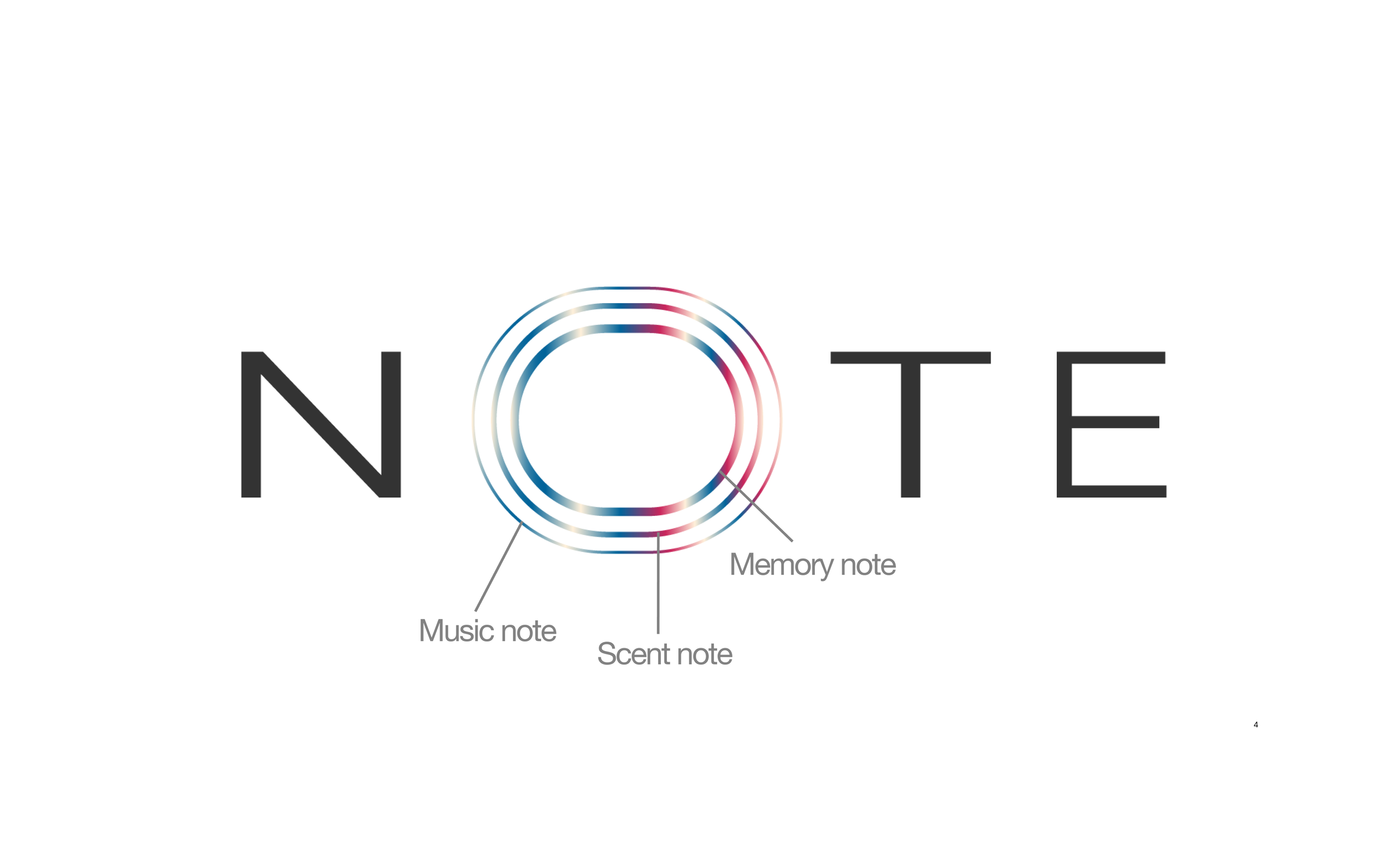
The final concept includes a brand identity, logo system, and product direction for a memory-centered experience that feels soft, emotional, and personal.
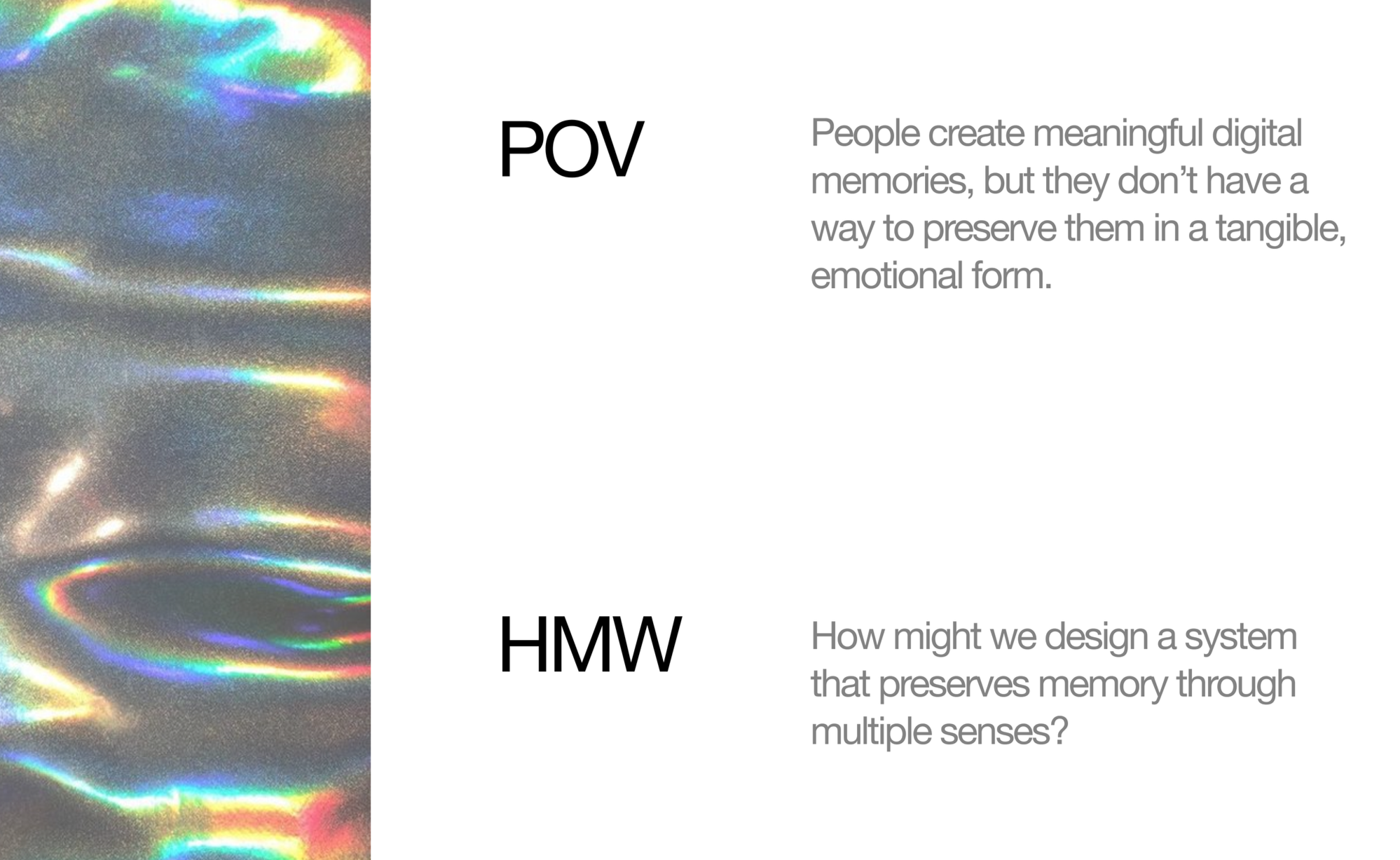
Most memory-keeping tools are screen-based. Photos, videos, notes apps, and cloud albums help people store moments, but they often flatten memory into something visual and passive. A person can scroll through hundreds of images and still feel disconnected from what the moment actually felt like.
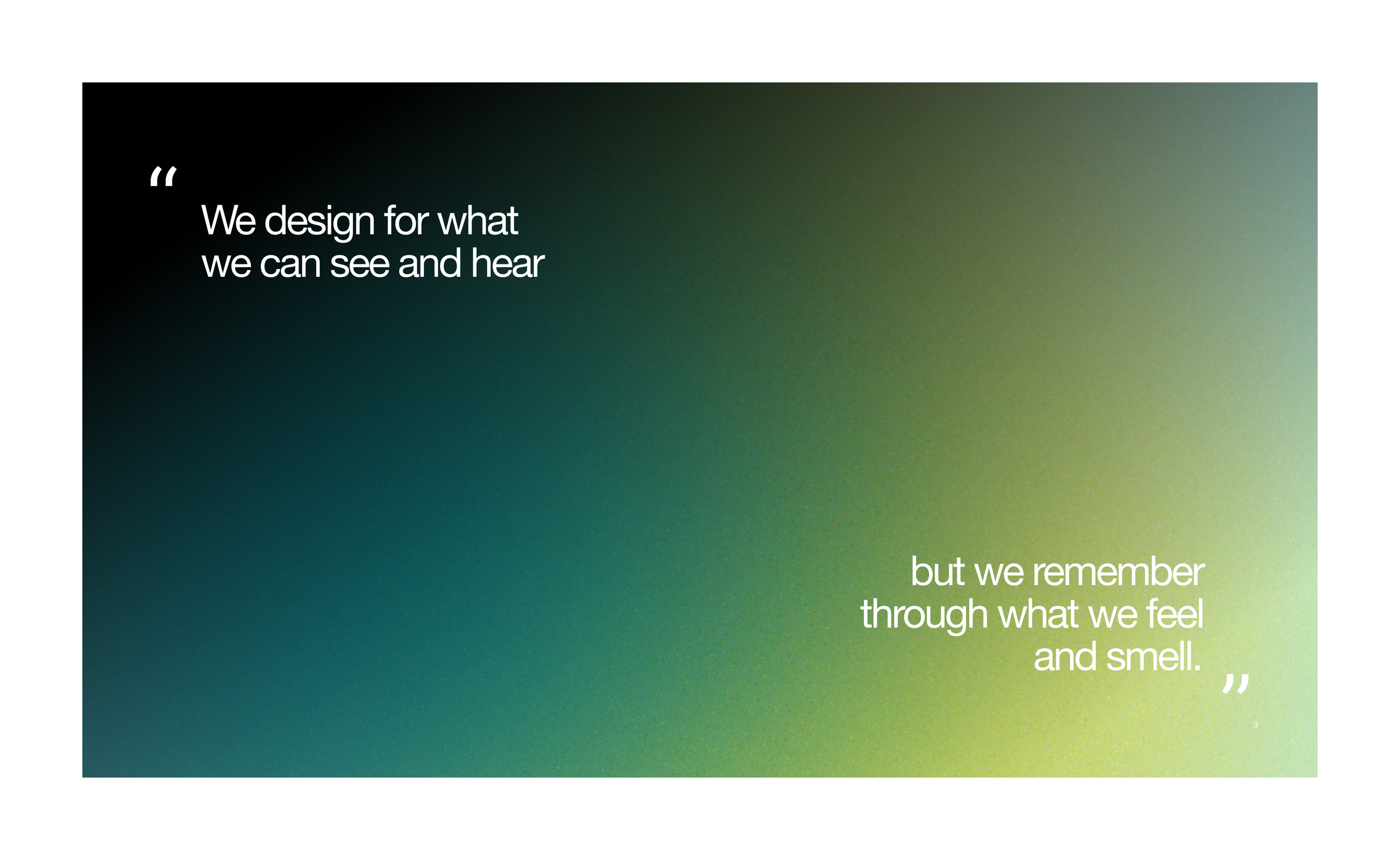
Memories are not only visual. They can be connected to scent, sound, light, texture, place, and emotion. A familiar smell can bring back a childhood home. A song can return someone to a specific period of their life. A warm light can recreate the feeling of a quiet evening.
TARGET USER
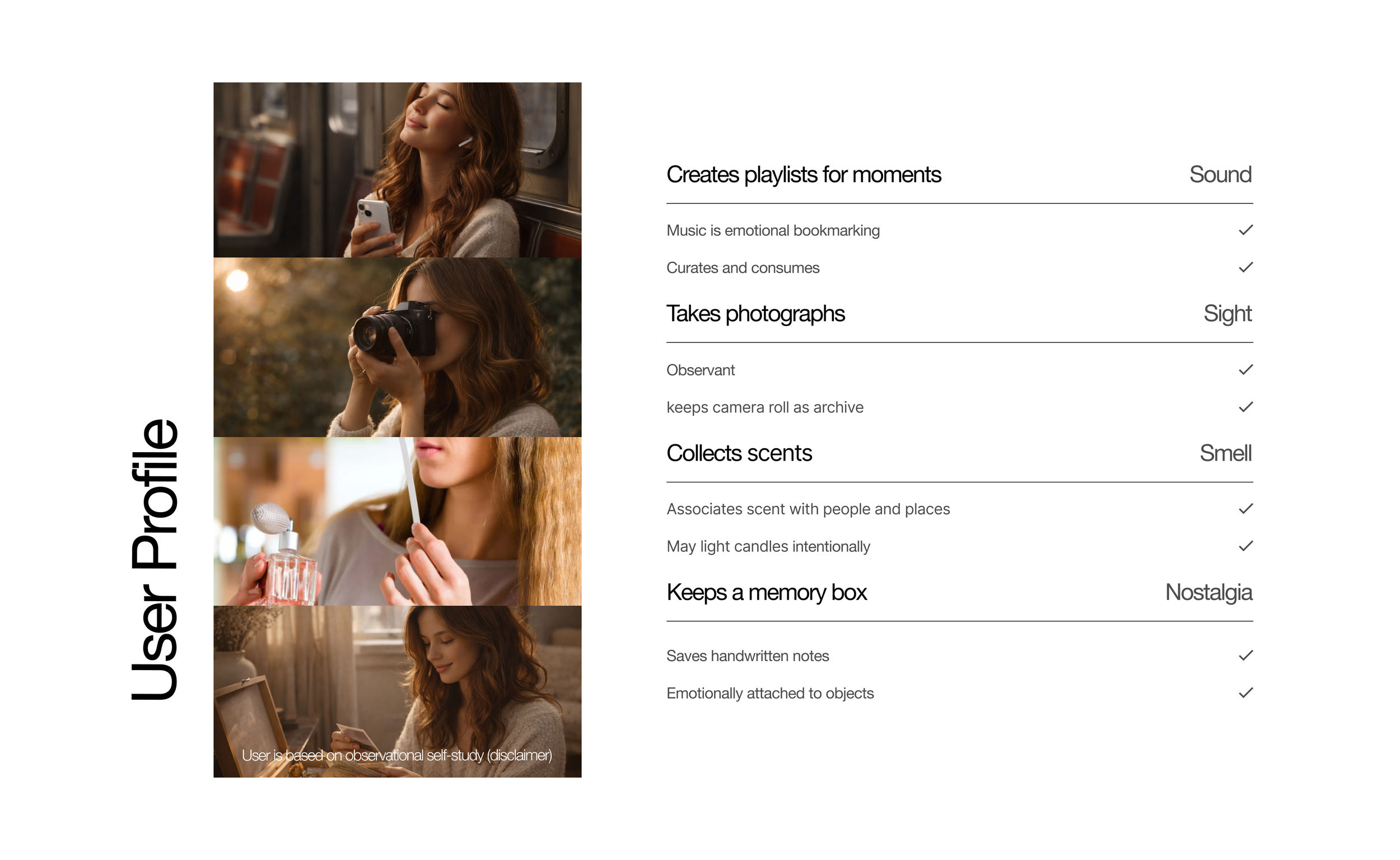
The primary users are people who value emotional keepsakes, memory preservation, and personal reflection. This includes users who already collect photos, voice notes, journals, objects, letters, perfumes, or mementos as a way to remember people, places, and moments.
The experience is especially relevant for users who:
Want a more emotional way to preserve memories.
Associate people and places with scent, music, or atmosphere.
Keep sentimental objects or personal archives.
Want to revisit memories without relying only on screens.
Are grieving, moving, growing older, or preserving family stories.
Want a meaningful gift or keepsake for someone they love.
USER NEEDS
Users need a memory experience that feels:
Personal
The memory should feel connected to the user’s own story, not like a generic archive.
Emotional
The product should support feeling, reflection, and connection.
Sensory
The experience should include cues beyond visuals, especially scent, sound, and light.
Simple
Users should not need a complicated interface to save or revisit a memory.
Private
Some memories are intimate and should feel protected.
Giftable
The product should be meaningful enough to give to someone else as a personal keepsake.
RESEARCH AND CONCEPT DIRECTION
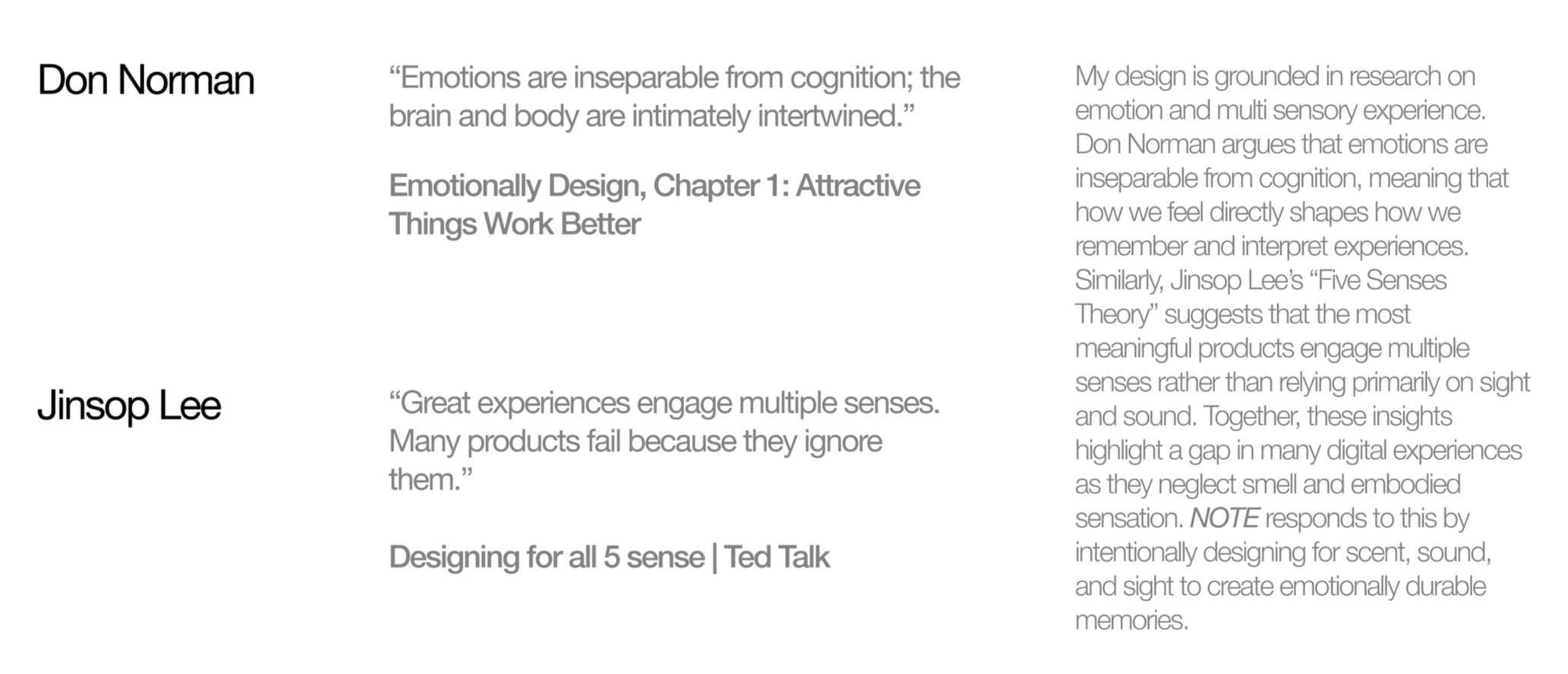
The concept began with the idea that memory is multi-sensory. While digital archives often prioritize images and text, real memories are frequently triggered through sensory details.
I focused on three sensory channels:
Scent
Scent can be strongly tied to memory and emotion. A fragrance, spice, perfume, room, or natural smell can bring back a person, place, or moment.
Sound
Sound can preserve voice, music, ambience, and emotion. A short recording can make a memory feel present again.
Light
Light can shape mood and atmosphere. A soft glow can help recreate the emotional tone of a memory.
T
ogether, these three elements shaped the foundation of NOTE.
RESEARCH
DESIGN GOAL
The goal was to design a product experience that transforms memory preservation into a sensory ritual.
Instead of asking users to only upload a photo or write a caption, NOTE asks:
What did this moment smell like?
What did it sound like?
What kind of light or mood surrounded it?
What feeling do you want to return to?
This shift helped the project move away from a standard memory app and toward a more emotional product ecosystem.
SOLUTION
NOTE is a speculative memory-keeping experience that combines scent, sound, and light into one personal keepsake.
A user can create a “note” for a specific memory by pairing:
a scent profile
a sound or voice note
a light mood
a short written memory
an optional image or visual reference
When the user revisits the memory, NOTE recreates the sensory atmosphere through a soft light sequence, a chosen scent, and a recorded sound. The experience is meant to feel like opening a memory rather than scrolling through an archive.
KEY FEATURES
Scent-Based Memory Cues
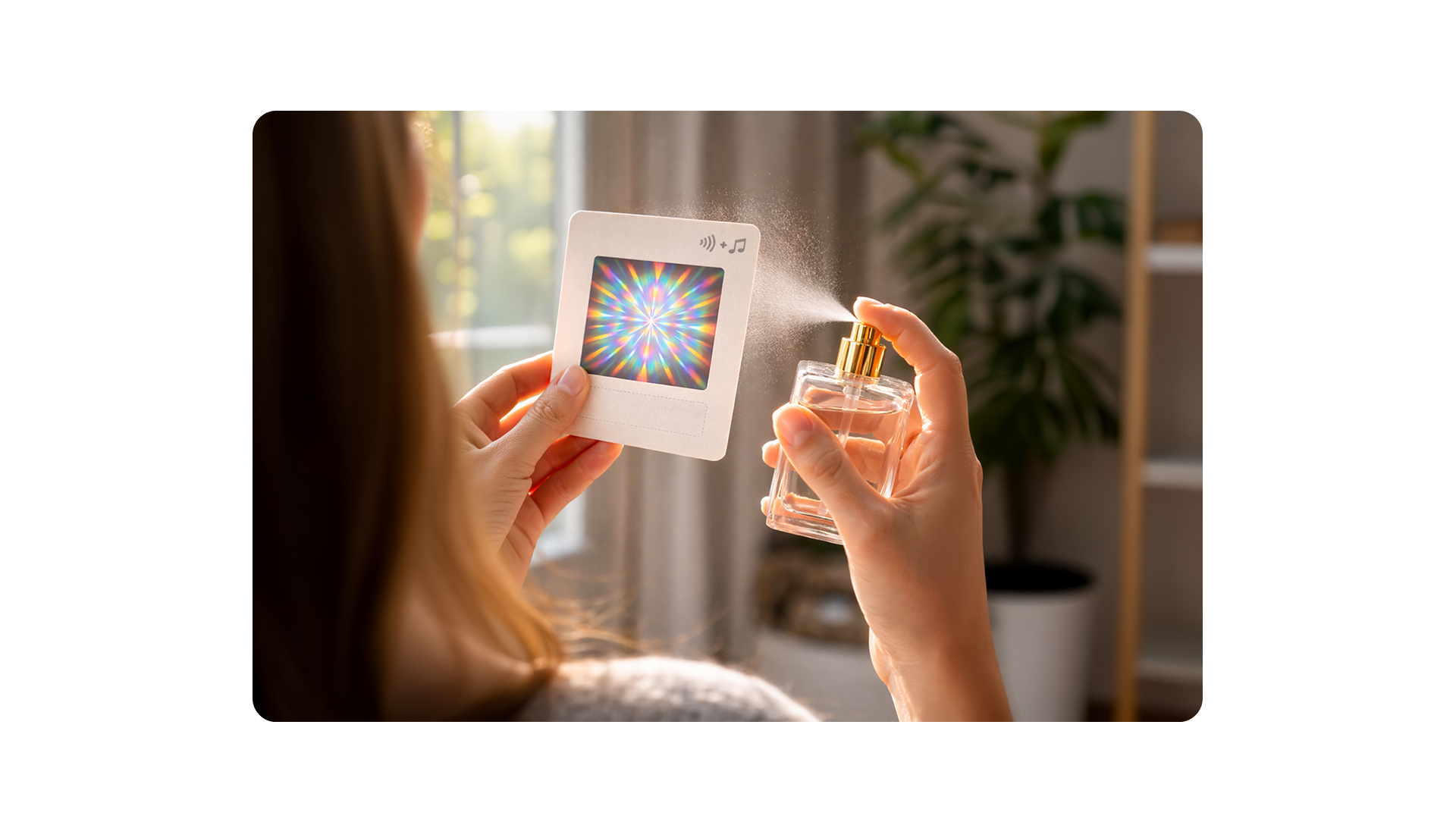
Users can connect each memory to a scent, such as bonfire, clean laundry, coffee shop, or a personal perfume, making the memory feel emotional and specific.
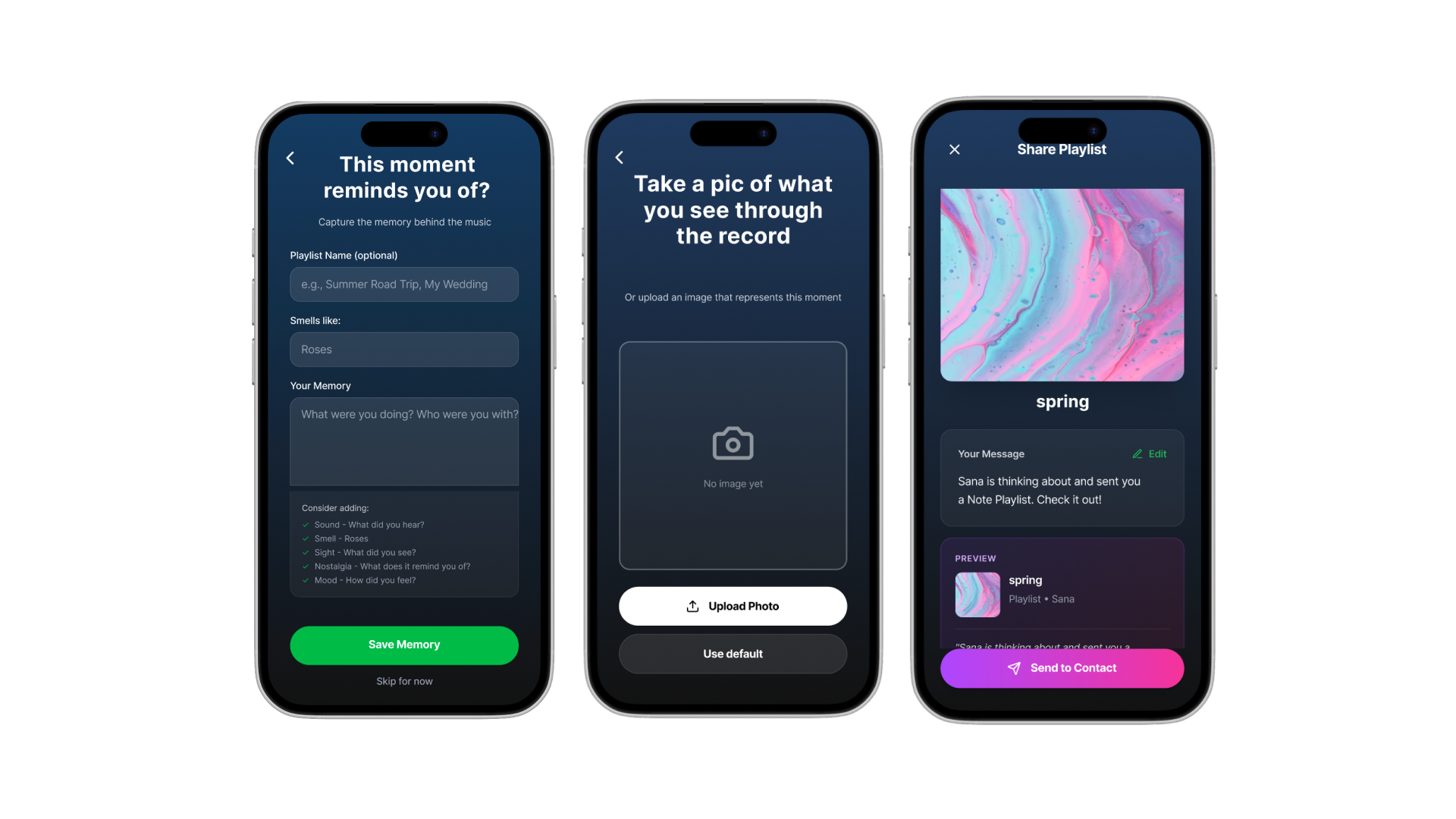
Sound and Playlist Pairing
Users can attach a playlist to a memory or mood entry, allowing sound to preserve the feeling of a moment.
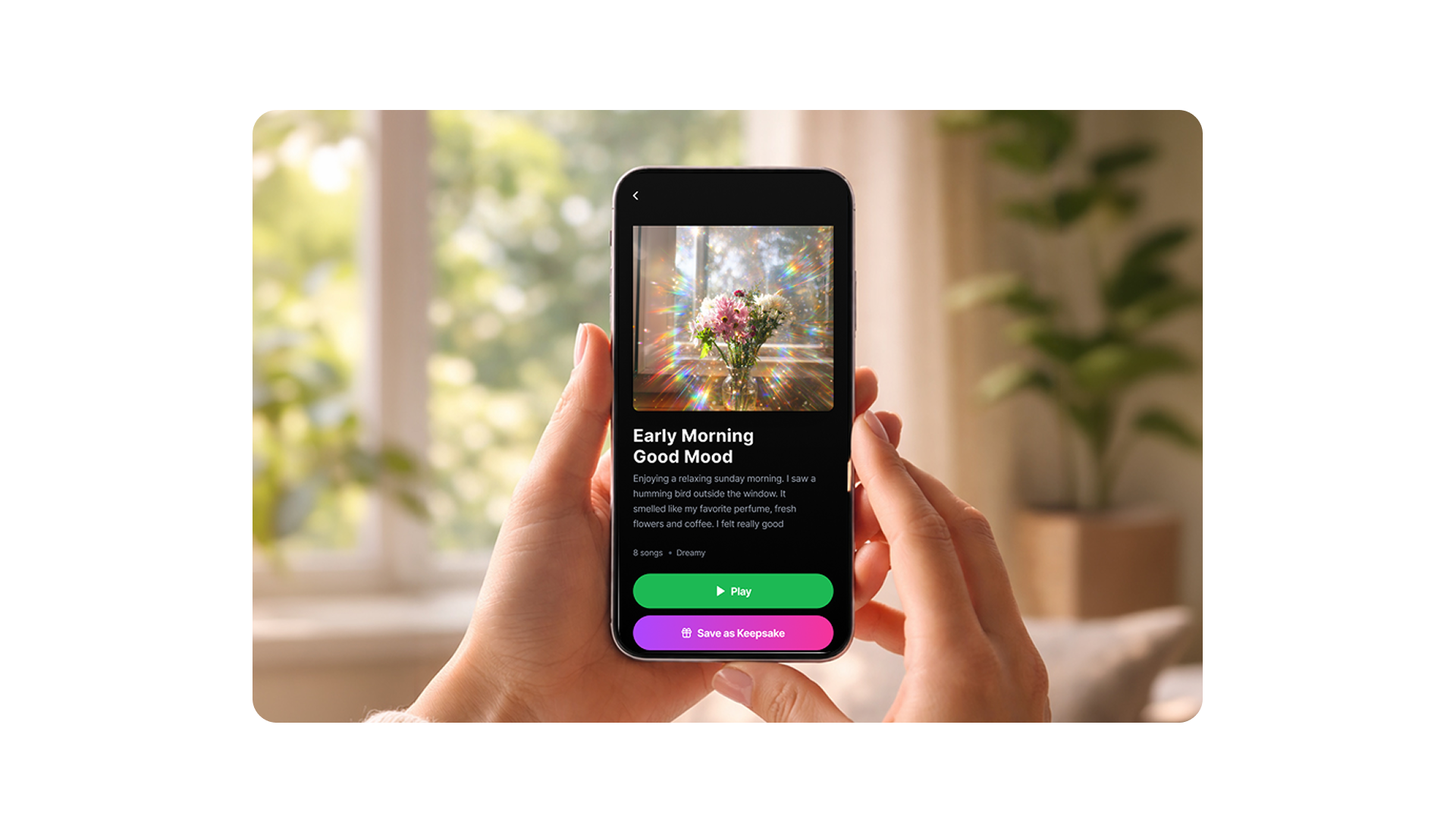
Memory Note
Each card includes a short written note or mood entry, keeping the writing brief so scent, sound, and visuals carry the emotional weight.
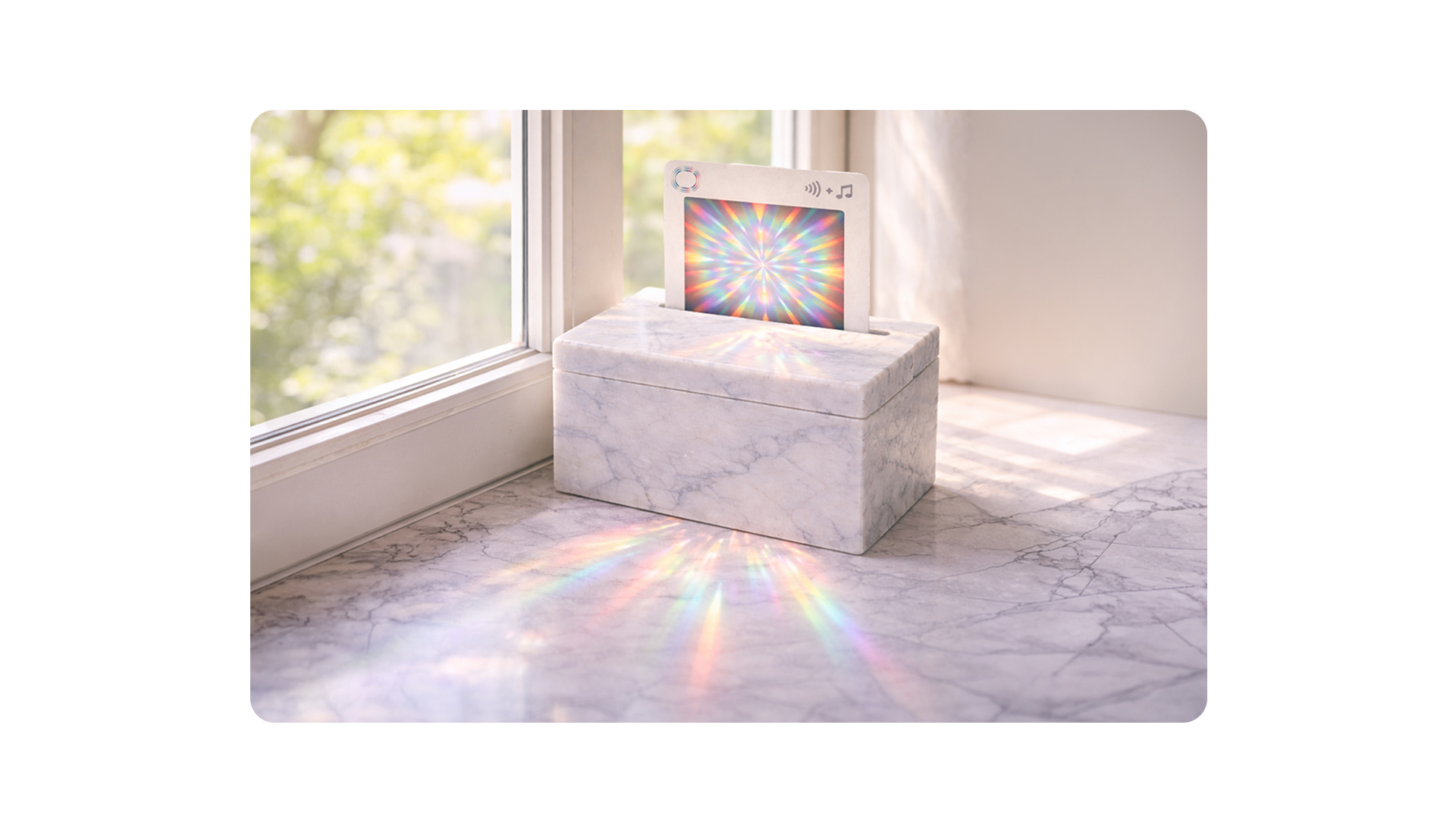
Decorative Suncatcher
The box includes a top slot where users can display a card near light, turning the memory into a decorative suncatcher.
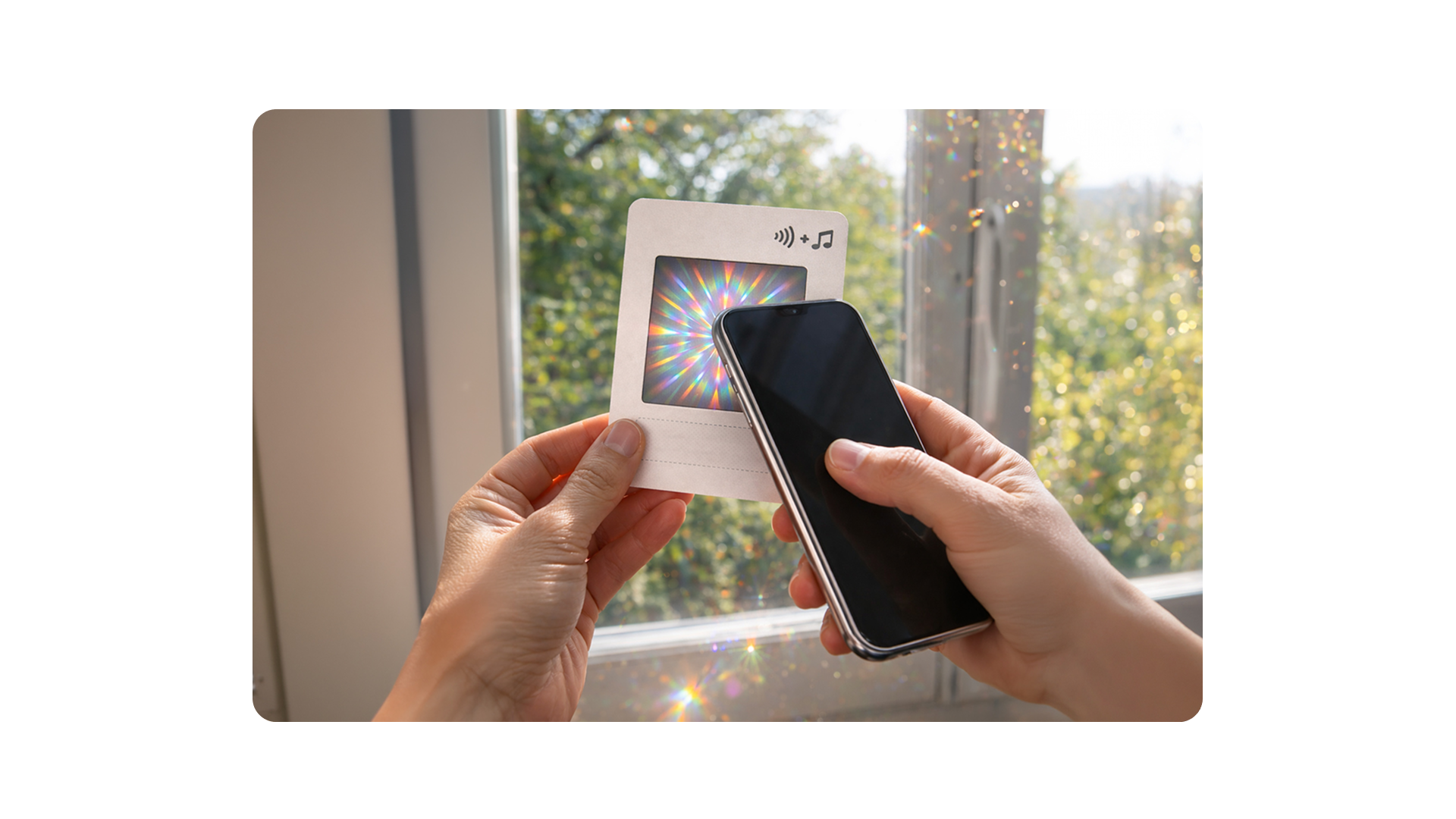
NFC Tap to Launch
Each NOTE card uses NFC technology so users can tap it with their phone and instantly open the linked Spotify playlist or NOTE experience.
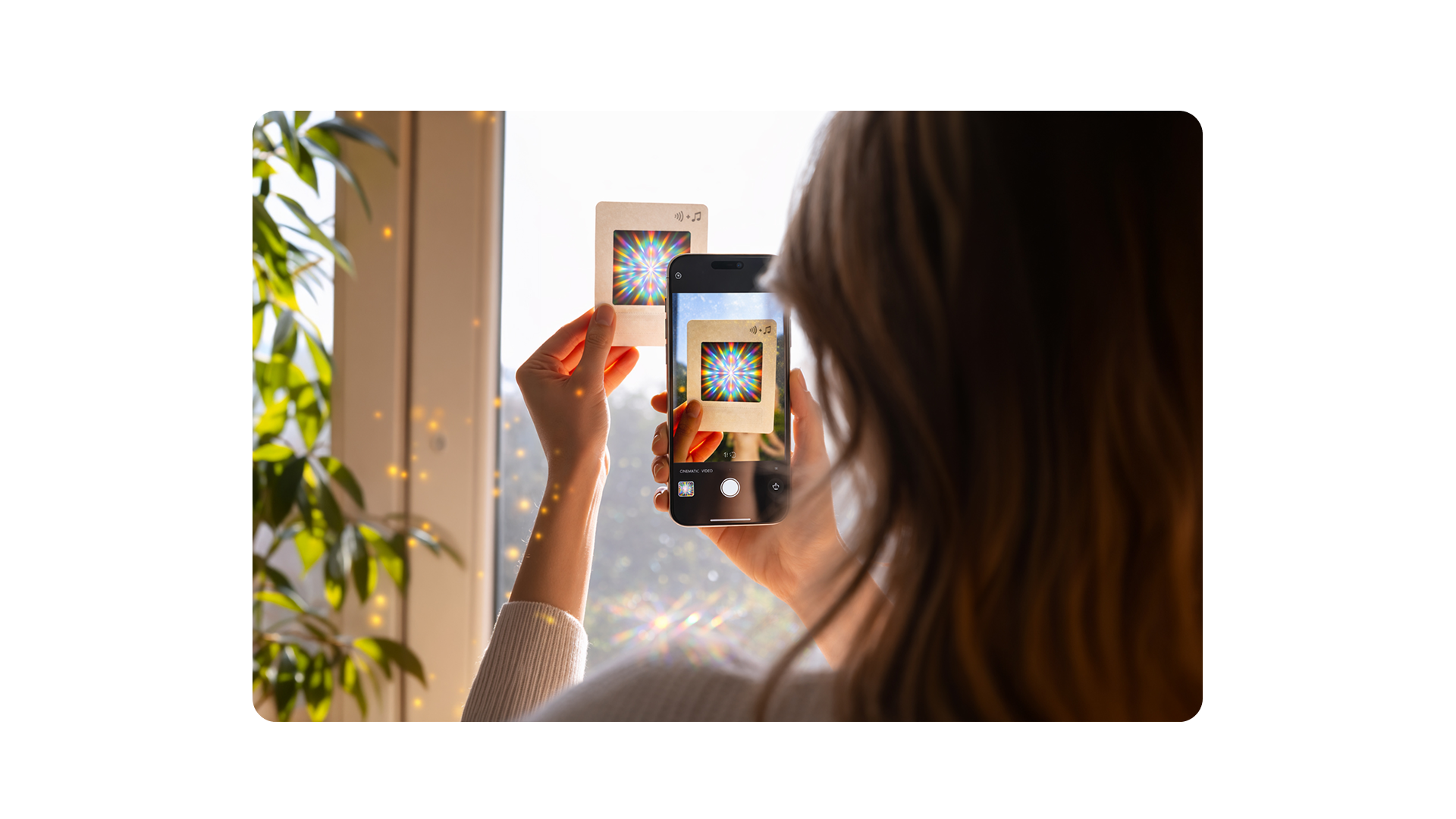
Chromatic Visual Experience
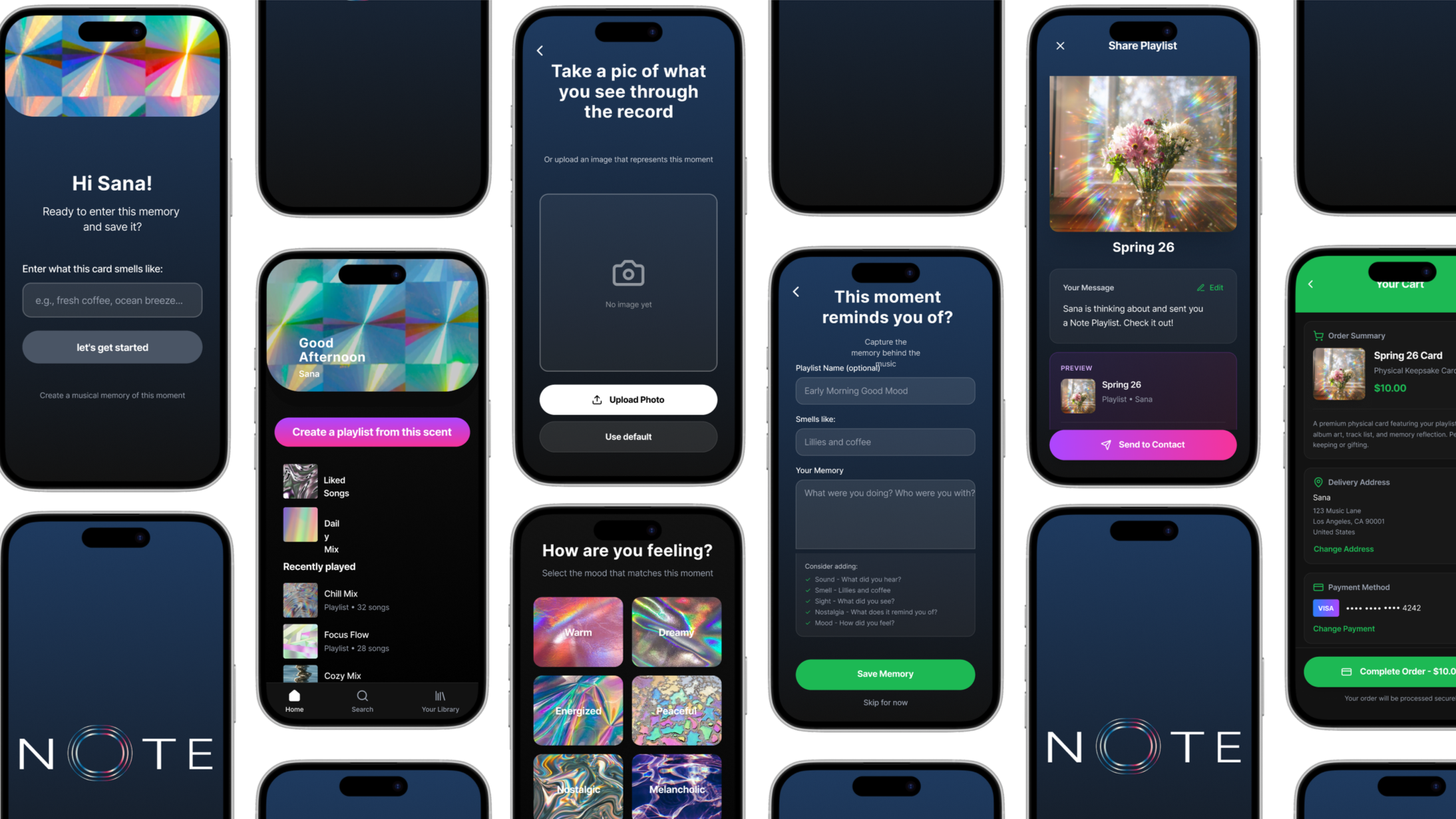
Users can look through the card’s chromatic pattern, photograph what they see, and use that image as a playlist cover to visually preserve the memory.
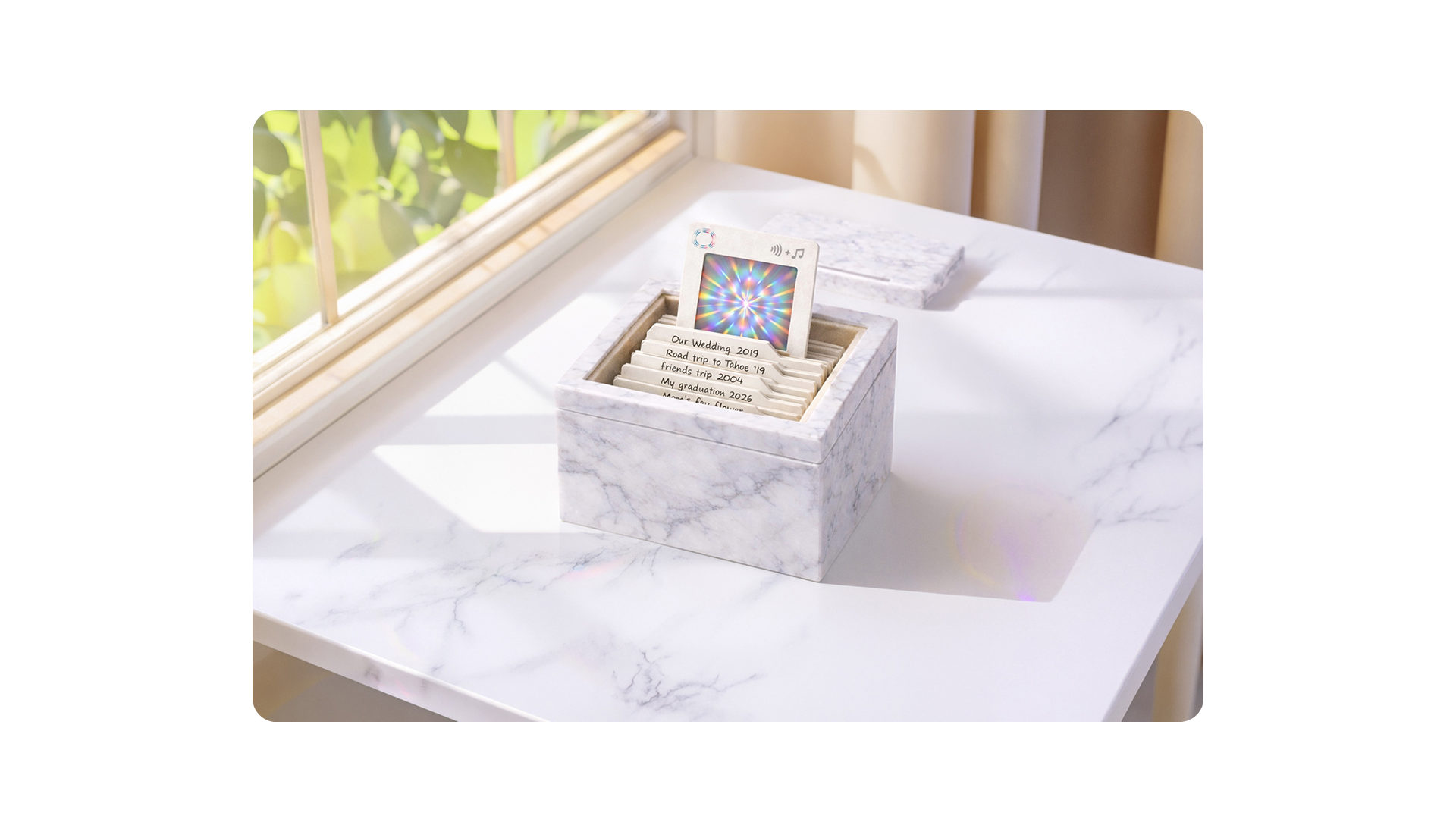
Memory Box
Scent cards are stored in a marble box lined with suede, with individual sleeves designed to help preserve each card’s scent.
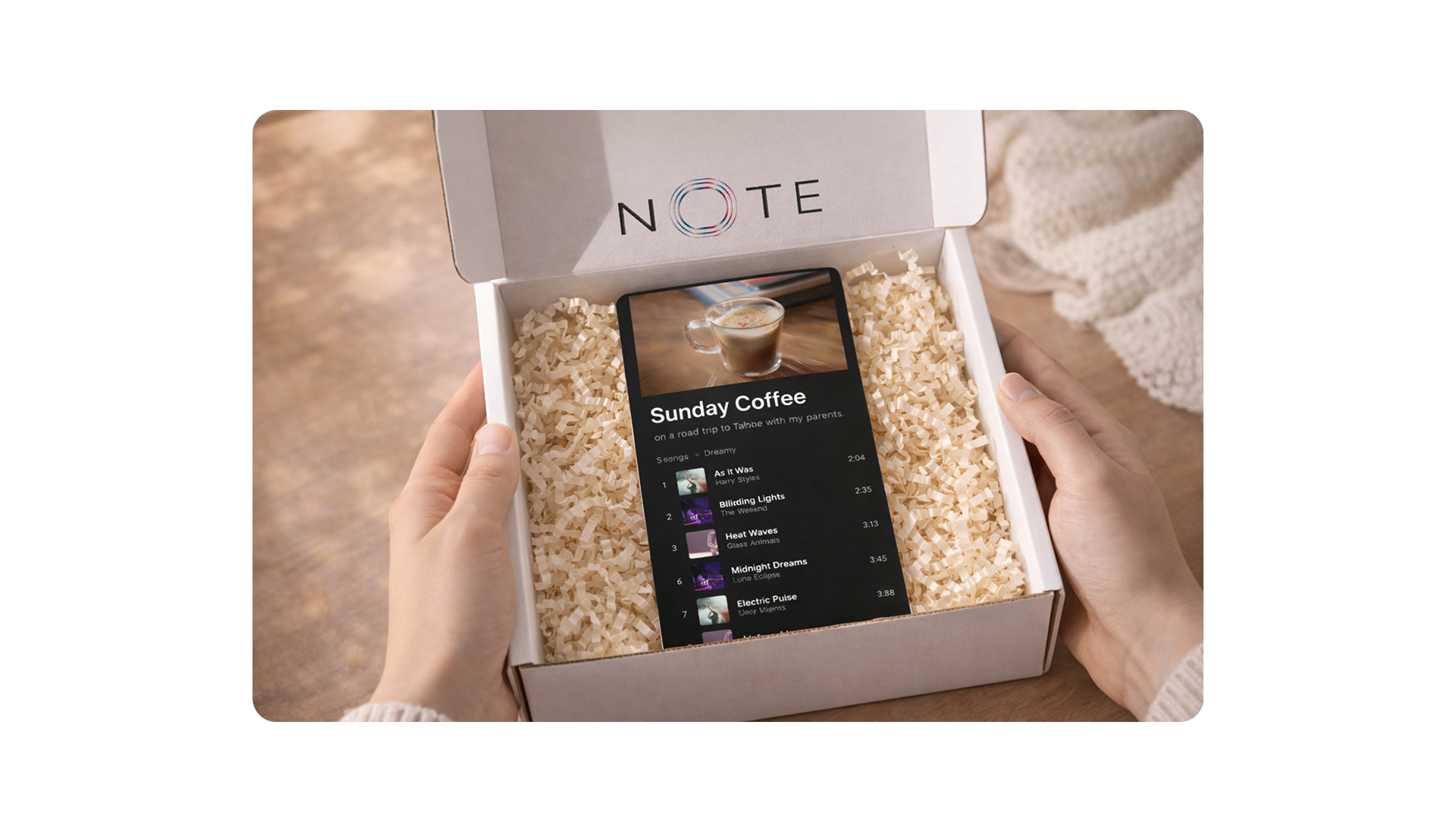
Physical Keepsake
Users can order a physical NOTE card linked to a playlist, creating a tangible memory object they can keep or gift.
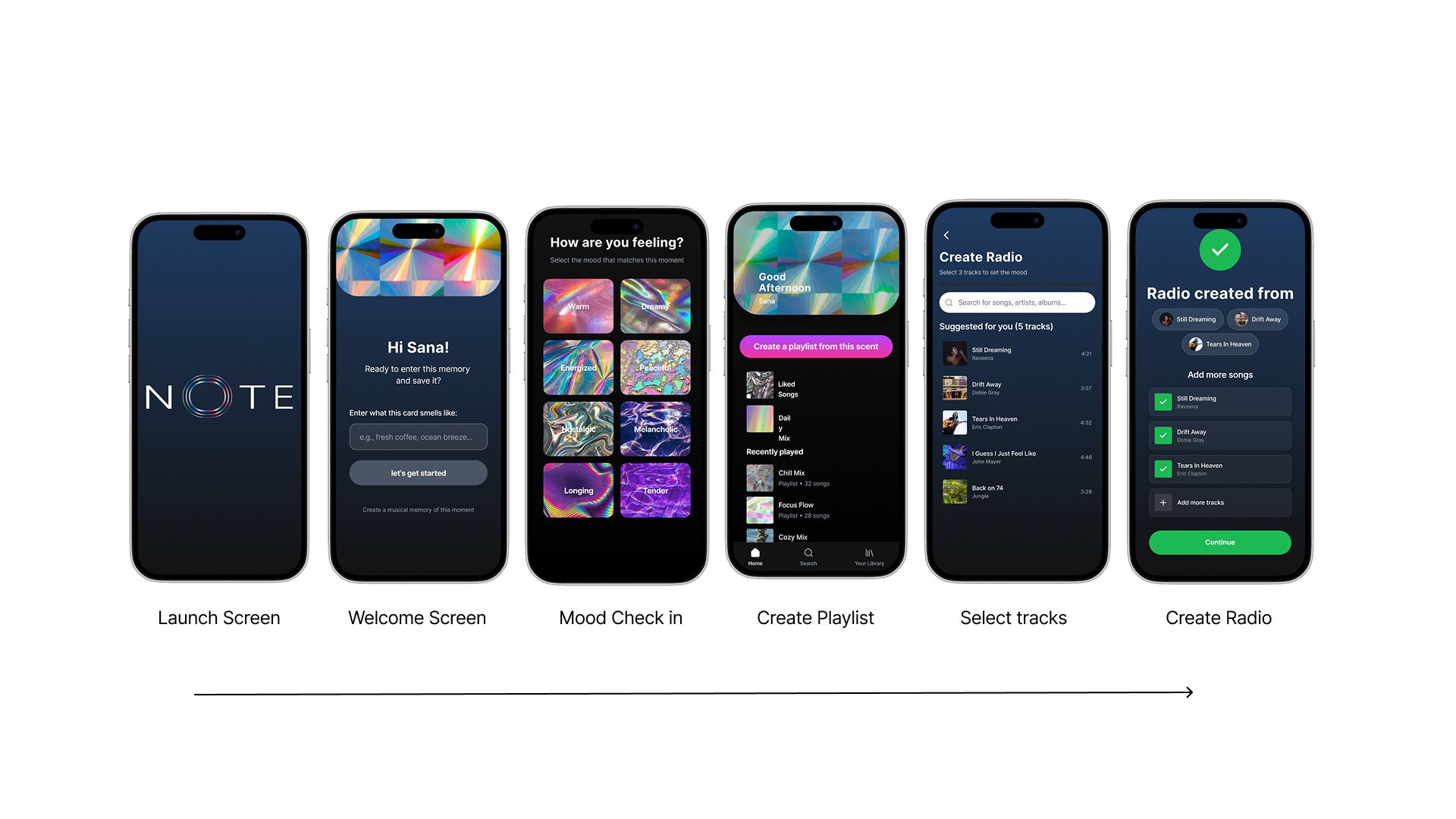
USER JOURNEY
1. Capture
The user wants to preserve a moment that feels meaningful. Instead of only saving a photo, they create a sensory note.
2. Personalize
They choose the scent, sound, light mood, and short text that best represent the memory.
3. Save
The memory becomes part of their personal archive.
4. Revisit
Later, the user opens the note. The scent, sound, and light cues help them return to the feeling of the memory.
5. Reflect
The user can sit with the memory, share it with someone, or keep it private.
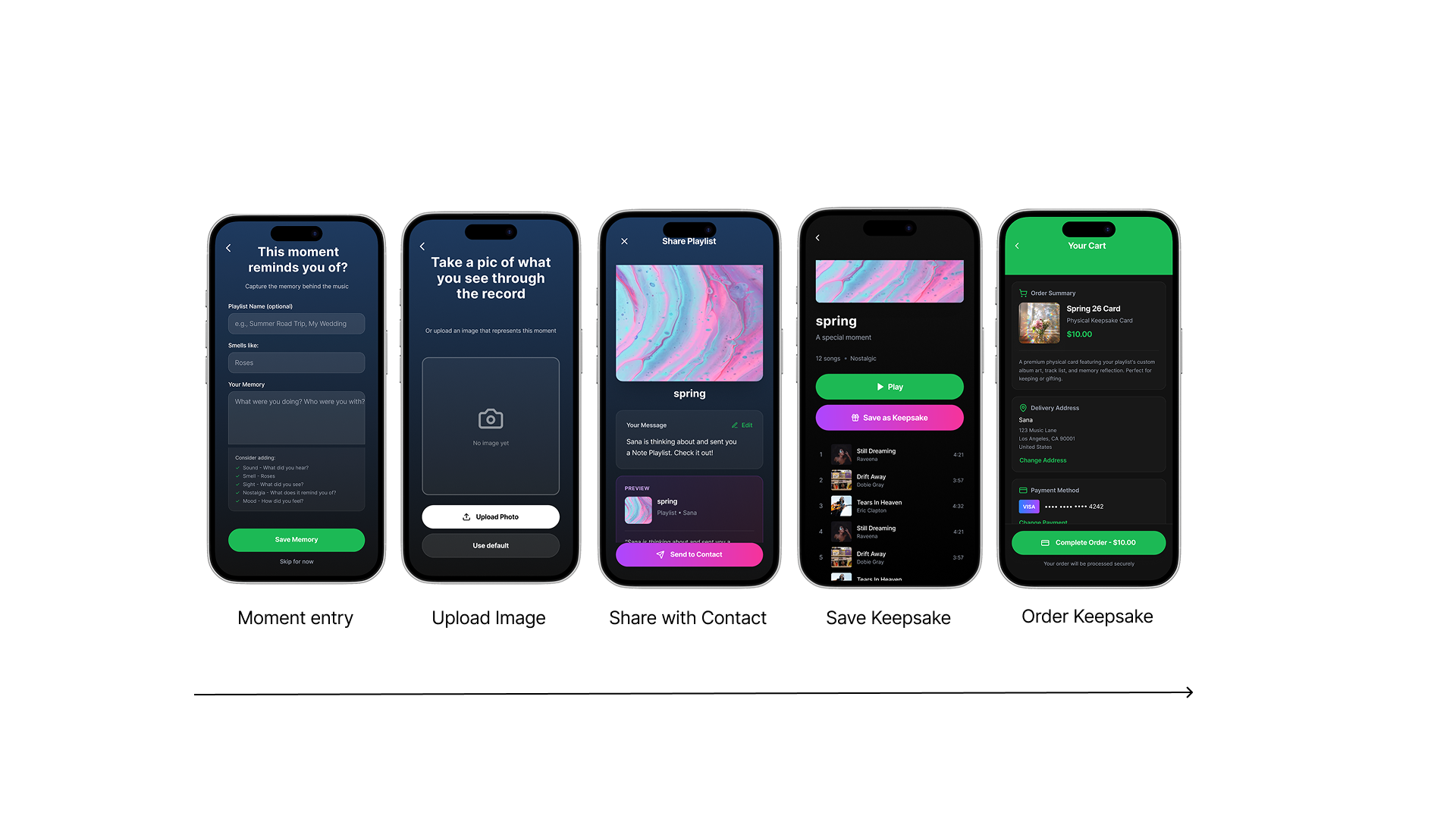
INTERACTION DESIGN
The interaction is designed around a simple ritual:
1. The user chooses or creates a memory.
2. They pair the memory with a scent, sound, and light mood.
3. The memory is saved as a “note.”
4. When the user wants to revisit it, they open the playlist or tap on the scent card to open the playlist
6. The user experiences the memory through multiple senses.
This flow is intentionally slow and reflective. NOTE is not designed for rapid scrolling. It is designed for pause, presence, and emotional connection.
BRAND AND VISUAL DESIGN
The brand direction for NOTE needed to feel calm, intimate, and emotionally intelligent. Because the product deals with memory, nostalgia, and personal reflection, the visual language needed to avoid feeling overly technological or clinical.
The logo system explores softness, simplicity, and the idea of a small sensory container. The brand is designed to feel like a quiet keepsake rather than a loud consumer device.
The visual tone is:
minimal
warm
soft
personal
reflective
sensory
giftable
CHALLENGES
One challenge was designing for something abstract: memory. Unlike a task-based app, the success of NOTE depends on emotion, atmosphere, and meaning. This required thinking beyond usability alone and considering how the product should feel.
Another challenge was balancing technology with intimacy. If the product feels too technical, it loses emotional warmth. If it feels too sentimental, it may become unclear as a product. The design needed to sit between utility and poetry.
A third challenge was representing scent visually. Since scent cannot be shown directly on a screen, the brand and interface would need to communicate fragrance through language, color, mood, and metaphor.
CURRENT OUTCOME
The current project establishes the conceptual foundation and visual identity for NOTE. It frames the product as a multi-sensory memory experience and begins to explore how scent, sound, and light can work together as emotional memory cues.
The work completed includes:
project concept
brand direction
logo exploration
sensory experience framing
visual identity exploration
product storytelling direction
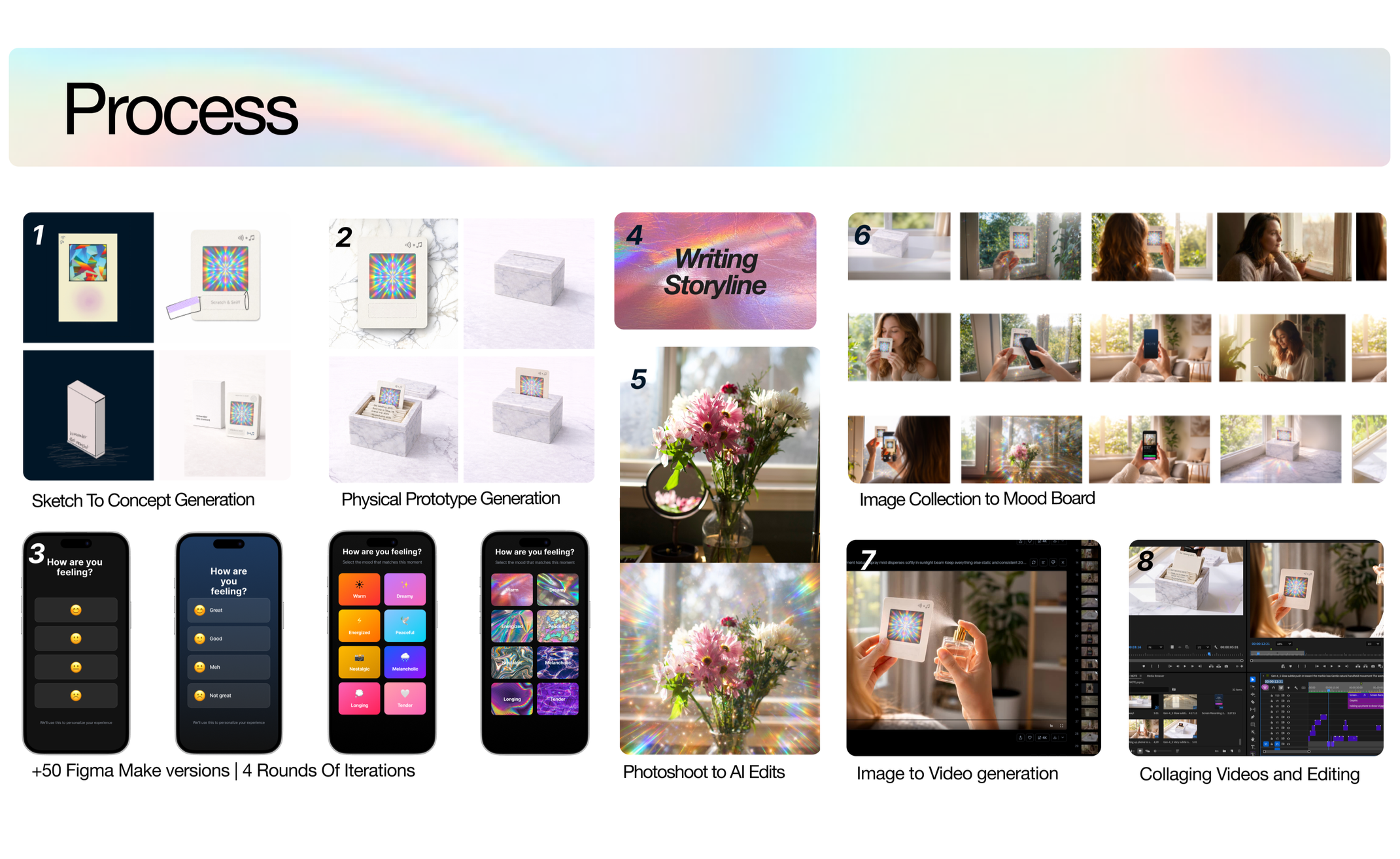
NOTE evolved through a layered design process that moved from concept to system.
1. Sketch to Concept Generation
I began with low-fidelity sketches to explore how scent, sound, and light could exist in one experience.
2. Physical Prototype Development
I translated the concept into a tangible form — a marble box with scented holographic cards designed to hold and diffuse memory.
3. Digital Prototype Iteration
Using Figma Make, I generated over 50 interface variations and refined them through four rounds of iteration to create an emotionally guided flow.
4. Storyline & Experience Mapping
Before building the final output, I wrote the user journey as a narrative to ensure the interaction felt intuitive and sensory.
5. Visual World Building
I created a mood board and expanded environmental imagery to define the atmosphere of the product experience.
6. Image-to-Video Generation
Using AI tools, I transformed still frames into cinematic sequences while preserving realism.
7. Editing & Assembly
All clips were refined and collaged in Premiere Pro to construct the final cohesive story.
If you’re interested in learning more about this process, please reach out for the process book
FUTURE IMPROVEMENTS
Future improvements could include:
Creating a full onboarding flow.
Designing the memory creation flow.
Designing the “revisit a memory” interaction.
Creating scent categories or scent profile cards.
Prototyping the physical scent card
Adding sound selection or voice note recording.
Testing the concept with users who keep journals, photo albums, voice notes, or sentimental objects.
Exploring privacy settings for intimate memories.
Designing a gift mode where one person can create a sensory memory for someone else.
REFLECTION AND LEARNINGS
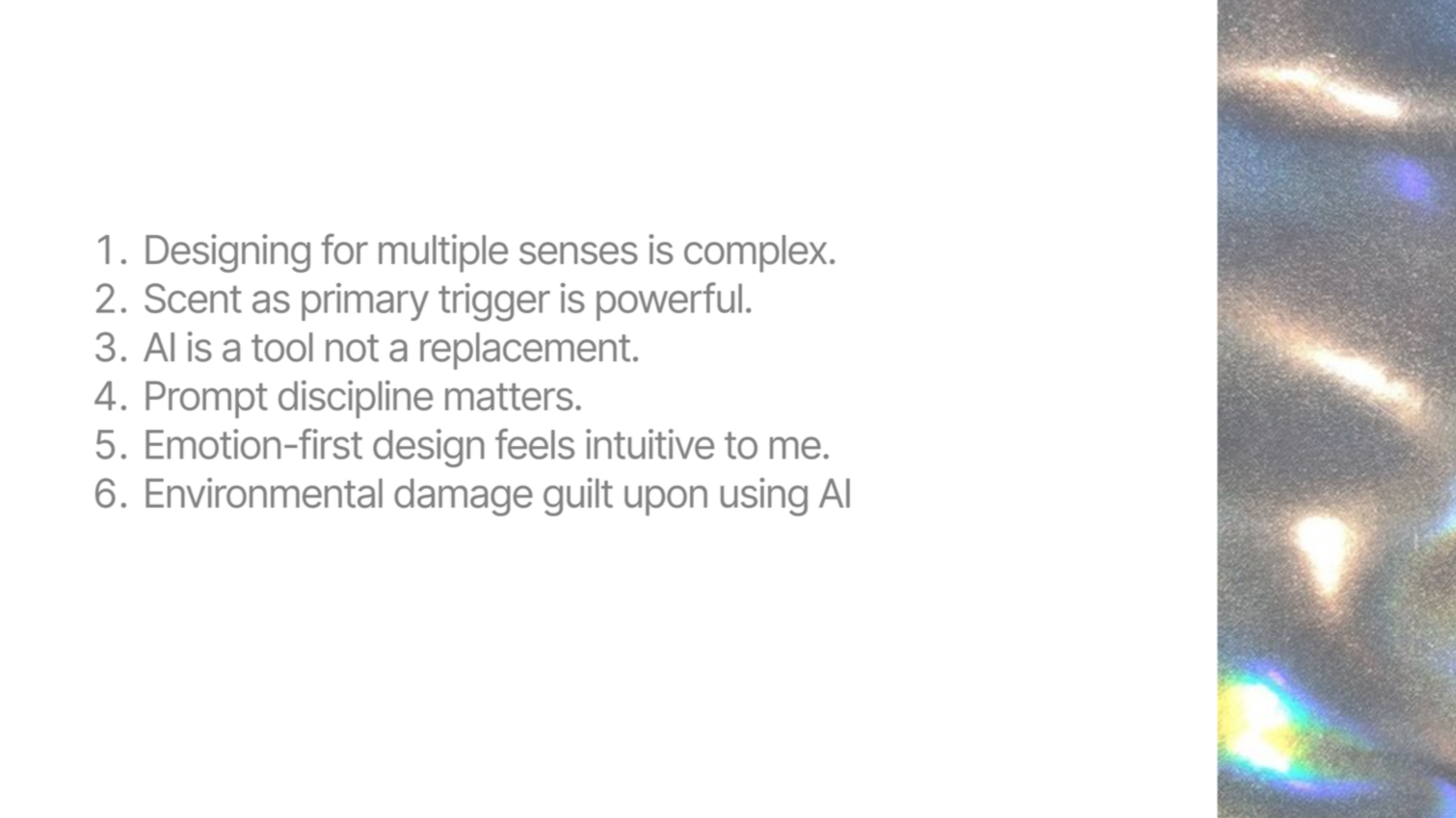
NOTE helped me explore UX design beyond screens. The project asked how design can support emotional memory, personal ritual, and sensory connection.
Through this project, I began thinking about memory as something that is not only stored, but re-experienced. A photo may show what happened, but scent, sound, and light can help return someone to how it felt.
The biggest design lesson was that emotional products need clarity as much as beauty. A meaningful concept becomes stronger when the interaction is simple, the sensory purpose is clear, and the user understands how to create and revisit a memory.